The Real Path to Impact in the New Year
My college-age kids were home for the holiday break. At dinner one evening, my son asked an open-ended question that sparked a conversation: What did you learn this year that will change how you act next year?
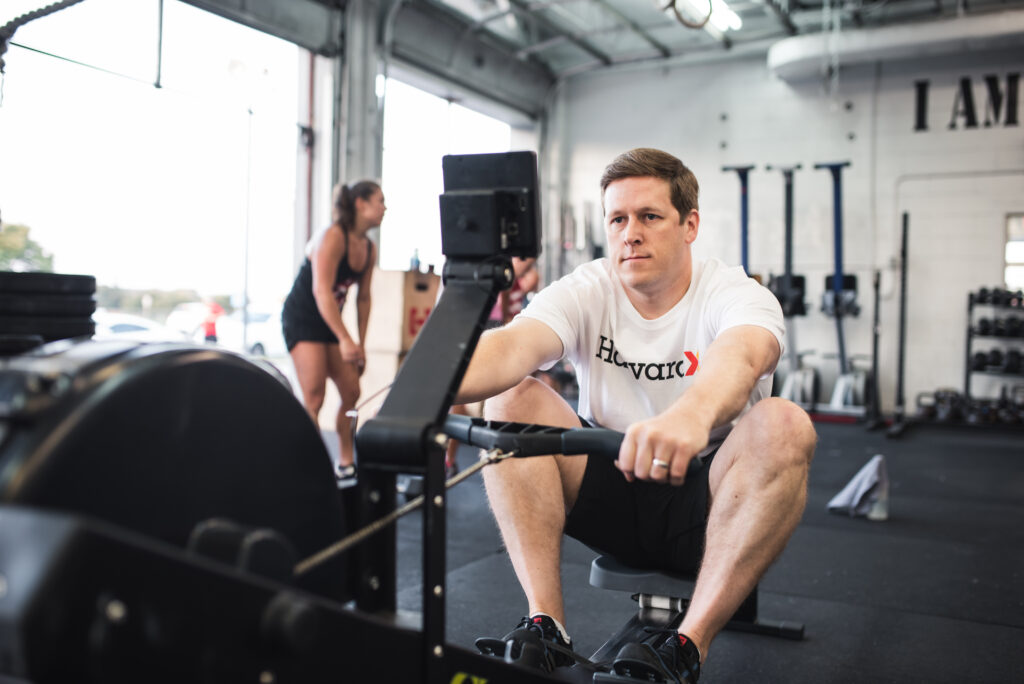
At the end of the year, the coaches at my neighborhood gym voted me athlete of the month. I joked it was a sign of attrition—that I was the oldest member who hadn’t yet been awarded it. The truth is I made notable gains this fall, and they recognized it.
A Universal Example
Personal health, especially weight loss, is a universally accessible improvement challenge most people relate to. I often use it as an example when teaching the Model for Improvement—helping people define an aim, a family of measures, and a change theory. Calories in and calories out, right?
I joke that my current approach is perfectly designed to get the results it gets. I have years of data from my scale. When plotted over time on a Shewhart chart, the data shows variation but no sustained movement in the direction of goodness—until this fall.
What changed? I focused on the fundamentals. I tracked and studied a select set of meaningful measures. I was consistent and disciplined. I ran lots of small experiments. I tried changes I hadn’t focused on before and became an expert on my own system.
No gimmicks. No silver bullets. No quick and easy.
What This Means for Healthcare Improvement
Leading up to the end of the year, I heard people talking about needing new methods or claiming that AI will fix everything. In 2026, the thing that will bring impact and motivation will be a return to the fundamentals.
Less PDSA games, fewer TED-style talks, and less reliance on chatbots as silver bullets. Instead, we need to pick important efforts that require change and improvement. Bring together people who are responsible for outcomes for patients. Learn improvement methods and apply them with fidelity. Slow down to learn from small experiments and data. Try change ideas you haven’t tried before.
This is how we get better at getting better.
The fundamentals work when we work them. The Model for Improvement isn’t sexy, but it’s effective. Shewhart charts aren’t flashy, but they reveal the truth about our systems. PDSA cycles feel slow until you realize they’re building deep knowledge of what actually works in your context.
The Discipline Required
What made the difference for me wasn’t new information—it was discipline. Tracking daily. Testing weekly. Learning continuously. Staying focused when progress was slow. Trusting the method even when results lagged behind effort.
Healthcare improvement requires the same discipline. We know what works. We know the methods. What we need is the commitment to apply them consistently, to learn from each test, to build expertise in our own systems.
2026 won’t be the year of revolutionary breakthroughs. It will be the year of getting the fundamentals right—and finally seeing the sustained movement in the direction of goodness that our patients deserve.
David M. Williams, Ph.D. works with leaders and improvement teams to learn and apply Improvement Science to achieve results and adopt quality as a strategy. He is coauthor of Quality as an Organizational Strategy and The QOS Field Guide.